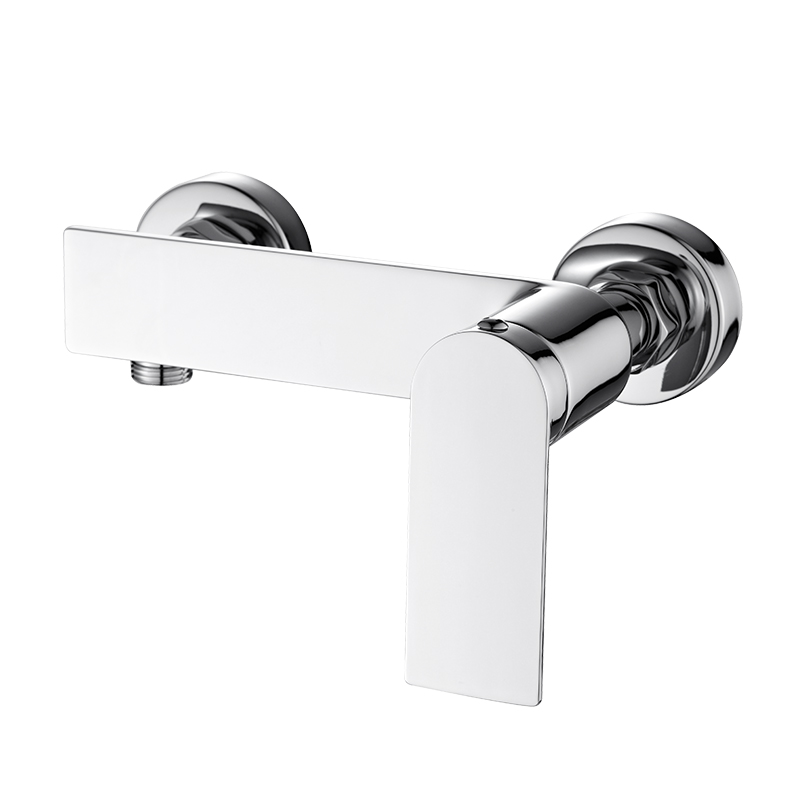
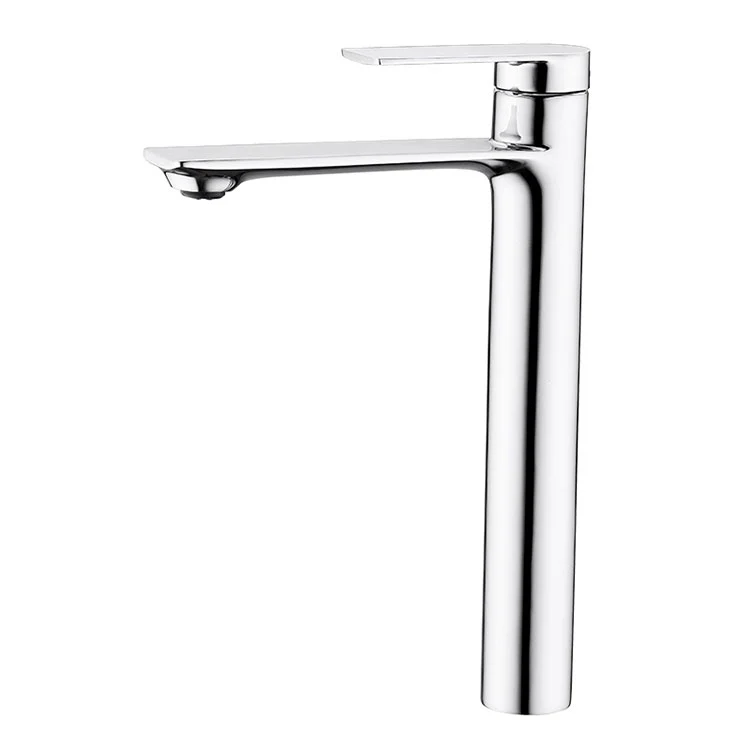
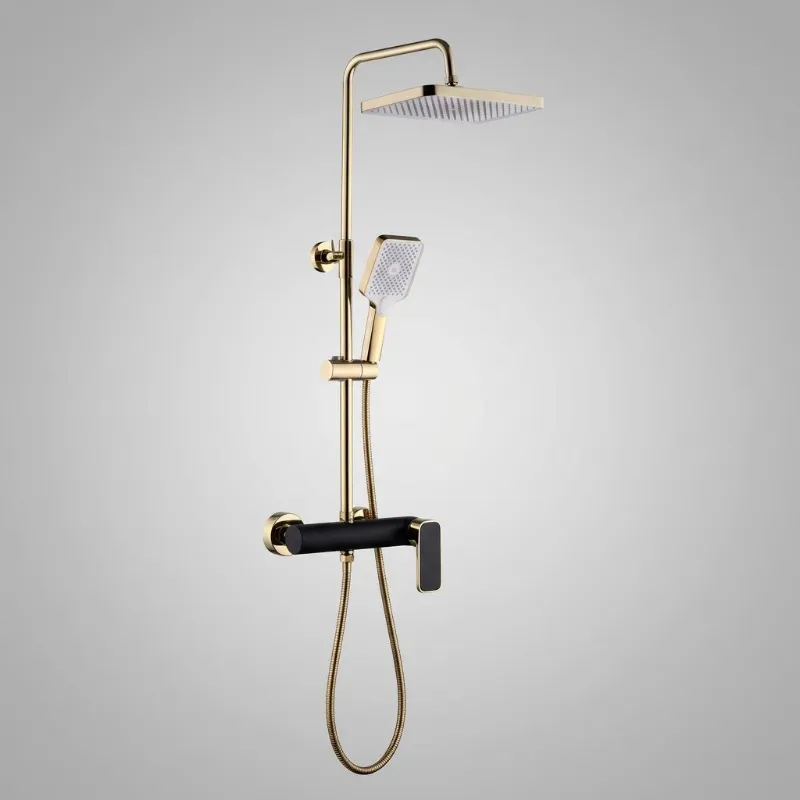
Imagine stepping into a shower after a long day. The water is warm and comfortable. Then, somewhere else in the house, a toilet is flushed or a washing machine draws cold water. Within seconds, the shower temperature swings from comfortable to scalding hot. You jump back, startled and potentially burned. This scenario plays out in millions of homes every day, and it is the primary reason why temperature stability is not a luxury feature in a Bath and Shower Faucet—it is a fundamental safety requirement. A faucet that cannot maintain a stable output temperature is not just uncomfortable; it is dangerous, particularly for children, the elderly, and anyone with limited mobility.
The technology that prevents this scenario is built into the heart of the faucet: the thermostatic or pressure-balancing cartridge. This component continuously monitors the incoming hot and cold water pressures and temperatures and adjusts the mixing ratio to maintain the set output temperature within a narrow tolerance, typically +/- 1°C to +/- 2°C. Without this technology, a Bath and Shower Faucet is at the mercy of every pressure fluctuation in the building's plumbing system. This article will provide a comprehensive technical analysis of temperature stability in bath and shower faucets, examining the mechanisms, the standards, the test procedures, and the engineering that ensures a safe and comfortable showering experience. For homeowners, plumbers, and specifiers, understanding these technical details is essential for making an informed purchase decision.
Temperature stability, in the context of a Bath and Shower Faucet, is the ability of the faucet to maintain a consistent output water temperature despite changes in the incoming water pressure, the incoming water temperature, or the flow rate. It is measured as the maximum deviation from the set temperature when the system is subjected to a defined pressure or temperature disturbance. For example, a faucet with a temperature stability of +/- 1°C will keep the output temperature within one degree of the set point, even when a nearby fixture causes a 50% drop in cold water pressure. This level of stability is achieved through the use of a thermostatic cartridge, which is a precision-engineered component that senses the output temperature and adjusts the mix of hot and cold water to maintain the set point.
The importance of temperature stability extends beyond comfort. It is a critical safety feature. Scalding is a serious risk in bathrooms, particularly for young children and the elderly. According to safety organizations, water at 60°C can cause a third-degree burn in just five seconds. Water at 49°C can cause a serious burn in two minutes. A faucet without temperature stability can easily deliver water at these temperatures when a pressure fluctuation occurs. A thermostatic Bath and Shower Faucet prevents this by limiting the maximum output temperature and by maintaining the set temperature even under pressure fluctuations. This is why many building codes now require thermostatic mixing valves in new construction and renovations, particularly in healthcare facilities, schools, and residential care homes.
The following table illustrates the time required for water at different temperatures to cause a serious burn, highlighting the importance of temperature stability:
| Water Temperature | Time to Cause a Serious Burn |
| 60°C | Less than 5 seconds |
| 55°C | Approximately 15 seconds |
| 50°C | Approximately 1 minute |
| 49°C | Approximately 2 minutes |
| 45°C | Approximately 5 minutes |
At Wenzhou Kingsdom Sanitary Ware Co., Ltd., we design our Bath and Shower Faucets with temperature stability as a primary engineering objective. Our factory uses high-precision thermostatic cartridges that are tested to maintain stability within +/- 1°C, providing a level of safety and comfort that meets the most demanding international standards. We believe that temperature stability is not a feature that should be reserved for high-end products; it is a fundamental requirement for any faucet that will be used by people of all ages and abilities.
The thermostatic cartridge is the heart of a temperature-stable Bath and Shower Faucet. It is a precision-engineered assembly that contains a thermostatic element, a mixing valve, and a mechanism for adjusting the set temperature. The thermostatic element is the sensing component. It is typically a wax-filled capsule or a bimetallic strip that expands or contracts in response to temperature changes. As the output water temperature changes, the element expands or contracts, moving a piston that adjusts the flow of hot and cold water. This is a closed-loop control system: the output temperature is continuously sensed and adjusted to maintain the set point. The response time of a high-quality thermostatic cartridge is typically less than one second, allowing it to react almost instantaneously to pressure or temperature changes.
The wax-filled thermostatic element is the most common type used in bath and shower faucets. The wax is formulated to have a specific melting point, typically around 40-50°C. As the water temperature rises, the wax expands, pushing a piston that reduces the flow of hot water and increases the flow of cold water. As the temperature falls, the wax contracts, and the piston moves in the opposite direction. The set temperature is determined by the position of the adjustment mechanism, which compresses or relaxes a spring that acts against the wax element. This design is simple, reliable, and highly effective. The bimetallic strip element is an alternative design that uses two metals with different coefficients of thermal expansion. It is less common in bath and shower faucets because it is more expensive and less sensitive than the wax element.
The following table compares the two main types of thermostatic elements used in Bath and Shower Faucets:
| Element Type | Sensing Principle | Response Time | Typical Stability | Advantages | Disadvantages |
| Wax Element | Thermal expansion of wax | 1-3 seconds | +/- 1°C | Simple, reliable, cost-effective | Limited temperature range, slower response |
| Bimetallic Strip | Differential thermal expansion of metals | 0.5-1 second | +/- 0.5°C | Faster response, wider temperature range | More expensive, more complex |
At our factory at Wenzhou Kingsdom Sanitary Ware Co., Ltd., we use high-quality wax thermostatic elements in our Bath and Shower Faucets. These elements are selected for their precision, durability, and long-term stability. We also incorporate a scald protection feature that limits the maximum output temperature to 38°C, which is the recommended safe temperature for bathing. This feature can be overridden by the user if a higher temperature is desired, but it provides an additional layer of safety, particularly for children and the elderly. Our thermostatic cartridges are tested to withstand over 200,000 operating cycles, ensuring reliable performance for the life of the faucet.
Pressure fluctuation is the most common cause of temperature instability in a Bath and Shower Faucet. In a typical residential plumbing system, the hot and cold water supplies are subject to pressure changes when other fixtures are used. For example, when a toilet is flushed, the cold water pressure drops. In a conventional faucet, this causes the flow of cold water to decrease, while the flow of hot water remains the same or increases. The result is a sudden increase in the output temperature, which can be scalding. The same principle applies when a washing machine or dishwasher draws water, or when a nearby faucet is turned on or off. The magnitude of the temperature change depends on the severity of the pressure drop and the sensitivity of the faucet.
To quantify the effect, consider a shower operating at a comfortable 38°C. The hot water supply is at 60°C and the cold water supply is at 15°C. The mixing ratio is approximately 50/50. If a toilet is flushed and the cold water pressure drops by 50%, the flow of cold water is reduced by half. Without compensation, the output temperature would rise significantly. The exact temperature change depends on the flow characteristics of the faucet. In a worst-case scenario, the temperature can rise to 50°C or more, which is dangerous. A thermostatic Bath and Shower Faucet compensates for this pressure drop by increasing the flow of cold water and decreasing the flow of hot water to maintain the set temperature. The response time of the thermostatic cartridge is critical. A slow response allows a temperature spike to occur before the faucet corrects it.
The following table provides a comparison of the temperature stability performance of different types of Bath and Shower Faucets under a simulated pressure drop:
| Faucet Type | Temperature Stability Under 50% Pressure Drop | Risk of Scalding |
| Conventional Single-Lever | +/- 5°C to +/- 10°C | High |
| Pressure-Balancing Valve | +/- 2°C to +/- 3°C | Moderate |
| Thermostatic Faucet | +/- 1°C to +/- 2°C | Low |
A pressure-balancing valve is a simpler and less expensive alternative to a thermostatic valve. It uses a piston or diaphragm to balance the hot and cold water pressures, but it does not actively sense the output temperature. It is effective at preventing large temperature swings, but it is not as precise as a thermostatic valve. A thermostatic Bath and Shower Faucet is the superior choice for applications where temperature stability is critical. At Wenzhou Kingsdom Sanitary Ware Co., Ltd., we offer both thermostatic and pressure-balancing faucets, and our technical team can help you select the right type for your specific application.
Temperature stability in bath and shower faucets is governed by a number of international standards that define the performance requirements and test methods. These standards ensure that a faucet that is certified to a particular standard will provide a known level of temperature stability and safety. The most widely recognized standards are EN 1111, EN 1287, ASME A112.18.1/CSA B125.1, and AS 4032. Each of these standards specifies requirements for thermostatic mixing valves, including temperature stability, maximum temperature limit, and fail-safe performance. Understanding these standards is essential for specifiers and buyers who need to ensure that their faucets meet the applicable building codes and safety regulations.
The EN 1111 standard, for example, specifies that a thermostatic mixing valve must maintain the output temperature within +/- 2°C of the set point when the supply pressures vary by up to 50%. It also requires that the valve must automatically shut off the hot water supply if the cold water supply fails, preventing a scalding hazard. The EN 1287 standard is similar but applies to low-pressure thermostatic mixing valves. The ASME A112.18.1/CSA B125.1 standard, which is widely used in North America, includes requirements for temperature stability, scald protection, and durability. The AS 4032 standard, used in Australia and New Zealand, specifies requirements for thermostatic mixing valves, including a maximum temperature limit of 50°C for delivery to sanitary fixtures.
The following table summarizes the key requirements of these standards for temperature stability:
| Standard | Region | Temperature Stability Requirement | Maximum Temperature Limit | Fail-Safe Requirement |
| EN 1111 | Europe | +/- 2°C under 50% pressure variation | 38°C (adjustable) | Hot water shut-off if cold fails |
| EN 1287 | Europe | +/- 2°C under 50% pressure variation | 38°C (adjustable) | Hot water shut-off if cold fails |
| ASME A112.18.1 | North America | +/- 3°C under 50% pressure variation | 49°C (adjustable) | Hot water shut-off if cold fails |
| AS 4032 | Australia/NZ | +/- 2°C under 50% pressure variation | 50°C | Hot water shut-off if cold fails |
At Wenzhou Kingsdom Sanitary Ware Co., Ltd., our Bath and Shower Faucets are tested and certified to meet the requirements of these international standards. Our factory has an in-house testing laboratory that is equipped to perform the pressure and temperature stability tests specified in the standards. We also work with third-party certification bodies to ensure that our products meet the requirements of the markets we serve. This commitment to compliance ensures that our customers can purchase our Bath and Shower Faucets with confidence, knowing that they meet the highest standards of safety and performance.
Temperature stability is not just about the initial performance of the faucet; it is about maintaining that performance over the life of the product. A thermostatic cartridge that works perfectly on the first day may lose its accuracy after a few years if the materials and manufacturing processes are not of the highest quality. The long-term stability of a Bath and Shower Faucet depends on the durability of the thermostatic element, the corrosion resistance of the internal components, and the precision of the manufacturing. At Kingsdom, we place a strong emphasis on these factors, ensuring that our faucets provide stable temperature control for many years.
The thermostatic element is the most critical component for long-term stability. The wax element must be able to withstand thousands of thermal cycles without losing its calibration. The piston and the cylinder in which it moves must be made from materials that resist corrosion and wear. We use stainless steel and engineering plastics that are resistant to the minerals and chemicals commonly found in water. The valve body itself must be made from high-quality brass that is resistant to dezincification, a form of corrosion that can cause the valve to fail. Our factory uses only high-grade brass that is certified to meet international standards for potable water applications.
The manufacturing process also plays a critical role. The assembly of the thermostatic cartridge must be performed in a clean environment to prevent contamination. The calibration of the set temperature must be precise, and it must be verified after assembly. The following table lists the key materials and manufacturing requirements for long-term temperature stability in a Bath and Shower Faucet:
| Component | Material/Process Requirement | Impact on Long-Term Stability |
| Thermostatic Element | High-purity wax, stainless steel piston | Maintains calibration over thousands of cycles |
| Valve Body | Dezincification-resistant brass | Prevents corrosion and leakage |
| Seals and O-rings | EPDM or silicone rubber | Resists degradation from hot water and chemicals |
| Adjustment Mechanism | Precision-machined components | Ensures accurate and repeatable temperature setting |
| Assembly Environment | Cleanroom or controlled environment | Prevents contamination that can affect performance |
Our factory at Kingsdom is equipped with state-of-the-art manufacturing and testing equipment. We use automated assembly lines for our thermostatic cartridges, and we perform 100% calibration and testing of every cartridge before it is installed in a faucet. We also subject our finished faucets to a series of durability tests, including 200,000-cycle life tests, to ensure that they maintain their temperature stability over time. This commitment to quality and precision is what sets our Bath and Shower Faucets apart and ensures that our customers receive a product that is both safe and reliable.
Question 1: What is the difference between a thermostatic and a pressure-balancing shower faucet?
Answer: A thermostatic Bath and Shower Faucet uses a thermostatic element to sense the output water temperature and adjust the mix of hot and cold water to maintain the set temperature. It provides the highest level of temperature stability, typically within +/- 1°C. A pressure-balancing faucet uses a piston or diaphragm to balance the hot and cold water pressures. It prevents large temperature swings but does not actively control the output temperature. It is less precise than a thermostatic faucet but is also less expensive. For applications where safety and comfort are paramount, a thermostatic faucet is the preferred choice.
Question 2: Can a thermostatic Bath and Shower Faucet be installed in an older home with low water pressure?
Answer: Yes, thermostatic Bath and Shower Faucets can be installed in older homes with low water pressure, but it is important to select a model that is designed for low-pressure applications. Some thermostatic valves have a minimum operating pressure requirement, typically around 0.5 bar. If the water pressure is below this, the valve may not function correctly. Our factory offers a range of thermostatic faucets that are suitable for low-pressure systems. We recommend consulting with a plumber to determine the water pressure in your home before selecting a faucet.
Question 3: How often should the thermostatic cartridge in a Bath and Shower Faucet be replaced?
Answer: The thermostatic cartridge in a high-quality Bath and Shower Faucet should last for many years, typically 10-15 years or more, depending on the water quality and usage. In areas with hard water, the cartridge may need to be replaced sooner due to scale build-up. If you notice that the temperature stability has degraded, or if the faucet is difficult to adjust, it may be time to replace the cartridge. Our factory provides replacement cartridges for our faucets, and we recommend using genuine parts to ensure continued performance.
Question 4: Does a thermostatic Bath and Shower Faucet require regular maintenance?
Answer: A thermostatic Bath and Shower Faucet requires minimal maintenance. The most important maintenance task is to clean the inlet filters regularly to prevent debris from clogging the valve. In hard water areas, it may also be necessary to descale the thermostatic cartridge periodically. We recommend following the manufacturer's instructions for maintenance. Our factory provides a maintenance guide with each faucet, and our technical support team is available to answer any questions.
Question 5: What is the maximum temperature limit of a thermostatic Bath and Shower Faucet?
Answer: The maximum temperature limit of a thermostatic Bath and Shower Faucet is typically set to 38°C, which is the recommended safe temperature for bathing. This limit is designed to prevent scalding, particularly for children and the elderly. The limit can usually be adjusted by a qualified installer to a higher temperature if required, but we recommend keeping it at 38°C for safety. Our factory's thermostatic faucets are designed with a scald protection feature that limits the maximum temperature to 38°C by default.
Temperature stability is not a luxury in a Bath and Shower Faucet; it is a fundamental safety and comfort requirement. A faucet that cannot maintain a stable output temperature is a scalding hazard, particularly for children, the elderly, and anyone with limited mobility. The technology that prevents this hazard is the thermostatic cartridge, a precision-engineered component that continuously monitors and adjusts the water temperature. By understanding the mechanisms, standards, and materials that ensure temperature stability, homeowners, plumbers, and specifiers can make informed decisions that prioritize safety and performance.
At Wenzhou Kingsdom Sanitary Ware Co., Ltd., we are committed to manufacturing Bath and Shower Faucets that meet the highest standards of temperature stability and safety. Our factory uses high-quality materials, precision manufacturing processes, and rigorous testing to ensure that our faucets provide reliable, long-lasting performance. We offer a range of thermostatic and pressure-balancing faucets to suit different applications and budgets. Our technical team is available to assist with product selection and to provide advice on installation and maintenance.
Contact Wenzhou Kingsdom Sanitary Ware Co., Ltd. today to learn more about our temperature-stable Bath and Shower Faucets and how they can enhance safety and comfort in your next project.