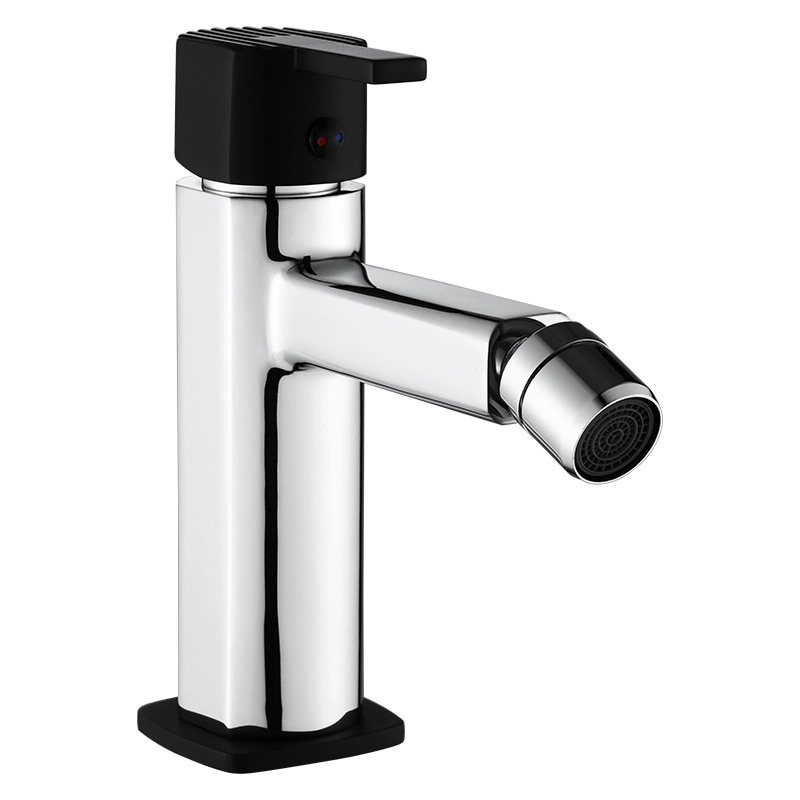
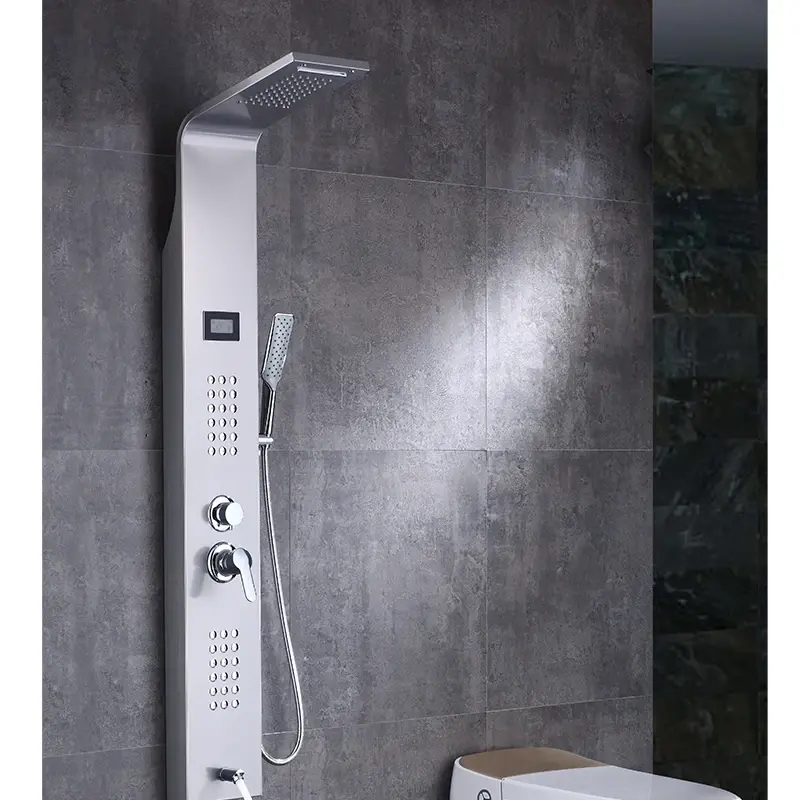
A buyer in Melbourne once asked us a question that sounds simple: does this basin mixer come with all the certifications needed for Australia?
The honest answer was longer than he expected, because there is no single certificate that opens every market. North America, the UK, Europe and Australia each have their own approval systems, and within those systems, certification applies to the product and its scope, not simply to the factory.
A supplier can list several approvals on its website and still not cover the exact faucet you are ordering. That gap is where importers can run into trouble, so certification deserves checking before production starts – not after the goods reach the port.
For the US and Canada, cUPC is a certification buyers commonly ask for when sourcing plumbing products.
Depending on the product and application, NSF/ANSI/CAN 61 and NSF/ANSI/CAN 372 may also be relevant. The first covers health effects requirements for drinking-water system components, while the second addresses lead content requirements for products that come into contact with drinking water.
Water efficiency can also matter. On some US projects, buyers may need products that meet WaterSense requirements, while Canadian requirements are not always identical.
So when a supplier answers, “Yes, it has US certification,” it is worth pushing one level deeper.
Which certification? Which model? Which configuration?
A faucet made for general plumbing may not satisfy the requirements of a particular state, project or installation. That difference is much easier to deal with before production than after the goods have shipped.
People often lump the UK and Europe together, but the two markets do not check exactly the same boxes.
In the UK, WRAS approval is one of the requirements buyers may encounter for products connected to the public water supply. WRAS also provides a public approval directory, which allows buyers to check the approval information and the products covered.
Across Europe, CE marking is not a universal certification for faucets. Whether CE applies depends on the product and the European legislation covering it.
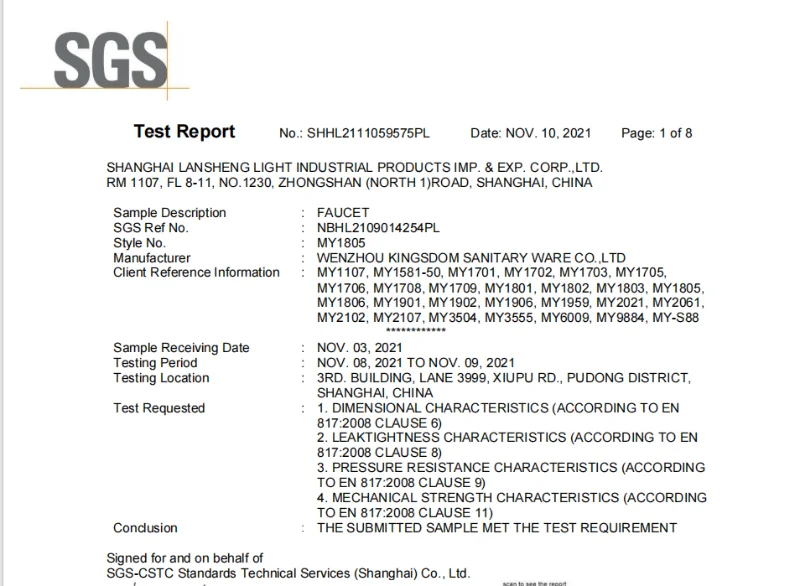
For conventional mechanical mixers, EN 817 is a commonly referenced product standard. Other tap standards, such as EN 200, can also apply depending on the type of fitting.
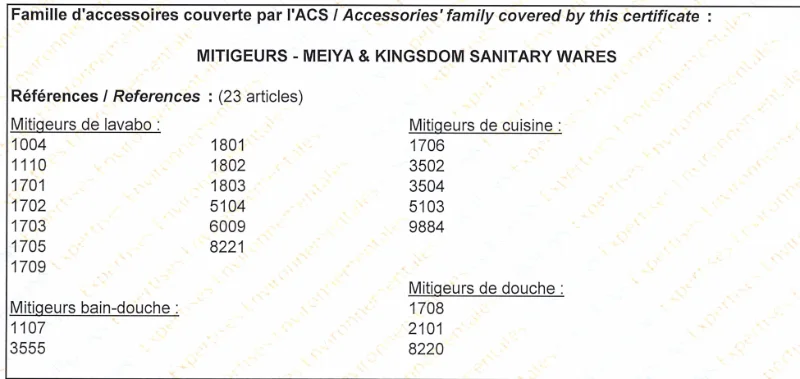
What often matters just as much is the national requirement for materials that come into contact with drinking water. In France, for example, ACS approval is relevant to applicable drinking-water products.
Which brings me to a question I hear quite often:
“Is this faucet CE certified?”
The more useful version is:
“What compliance requirements apply to this faucet in the country where I will sell it?”
Ask that one, and the conversation with a supplier becomes much more specific.
Australia is a market where buyers often mix up WaterMark and WELS.
They serve different purposes.
WaterMark relates to plumbing and water supply products within its scope and is an important requirement for applicable products.
WELS, on the other hand, is Australia's water-efficiency labelling and standards scheme. Depending on the product, registration and water-efficiency labelling requirements may need to be considered before the product is supplied to the Australian market.
So for an Australian order, don't stop at asking whether a supplier has WaterMark. Check the exact model number, product scope and current registration information, and confirm whether WELS requirements also apply.
This is especially useful for private-label projects, where the final product can differ from the supplier's standard model.
This is the part that can cause real problems, and I have seen it happen more than once.
A certificate covers a specific product as it was built and tested. For example, a Single-Handle Solid Brass Basin Faucet may look similar to another model, but its certification still depends on the exact configuration and approved scope. Changes to the cartridge, aerator, hose, material or other components may affect the scope of the approval and should be checked with the relevant certification body.
The same applies to a new model that looks almost identical to an existing certified product.
Two faucets can look the same from the outside but use different internal components. Certification follows the product and the approved scope, not simply the appearance.
That's why experienced buyers usually ask for the actual certificate or listing information and check the model number and scope rather than relying only on a supplier's website or quotation.
Private-label projects can make this more complicated because buyers often want to adjust a standard model after selecting it.
Changing the logo or packaging is mainly a branding decision.
Changing the cartridge, aerator, hose, material or flow rate can be a compliance issue.
Whether a change affects an existing certification depends on the certification scheme and the details of the product. In some cases, the certification body may need to review the change or additional testing may be required.
The easiest time to find this out is during sample approval. The expensive time is after a container has sailed.
None of this means a factory needs to hold every certificate for every market. Ours certainly doesn't, and we don't pretend otherwise.
What we currently hold is CE documentation for applicable products , ACS approval for applicable products in the French market, and product testing records for the ranges we export.
When a customer asks about cUPC, WRAS or WaterMark, we don't simply answer, “Sure, we have that.”
We check the specific product and target market first, then explain what documentation we actually have and what may still be required.
It is a more careful answer, but it helps avoid a buyer ordering on the wrong assumption.
Before starting a certification process from scratch, there is another route worth asking about.
When a factory already holds an active listing for a target market, some certification schemes may allow additional brands or model information to be added through mechanisms such as multiple listing or certification transfer.
This can be less costly and time-consuming than starting a completely new certification process. However, the options depend on the certification body, the existing listing and the product, so the details should always be confirmed in advance.
It is a useful question to ask when comparing suppliers for a private-label project.
Six questions, none of them complicated:
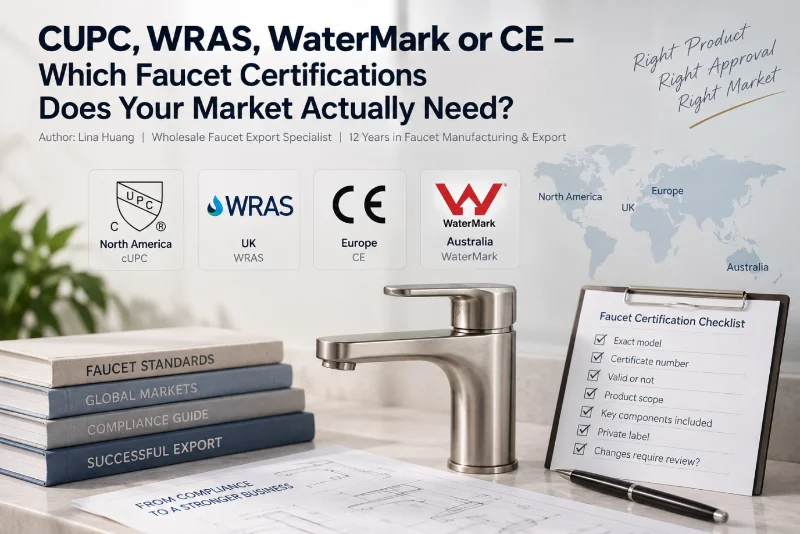
Which approval does this exact model hold, and what is the certificate or listing number?
Is it currently valid, and which models and configurations does it cover?
Are the cartridge, aerator, hose and other water-contact parts included in the scope?
Can the certified product be supplied under my private label?
If we change a component or the flow rate, does the certification need to be reviewed?
If you don't hold the approval for my market, what is the realistic path to obtain it?
These questions take only a few minutes to ask, but they can prevent much bigger problems later.
A compliance issue found during product development can usually be discussed with the supplier and certification body. Finding the same issue after shipment is a very different situation.
Faucet certification can seem complicated because different markets use different systems and terminology.
In practice, the basic idea is fairly simple:
The right faucet needs the right approval for the right market.
So instead of asking only, “Does your factory have faucet certifications?”, ask:
“Does this exact model meet the requirements for my market?”
Then check the certificate number, product scope, validity and configuration.
That small step before production can help you avoid much bigger compliance problems after delivery.
If you are comparing faucet suppliers or developing a private-label range, you can send us the models and target markets you are considering. We can check the documentation available for those products and tell you clearly what we have and what may still need to be addressed.